
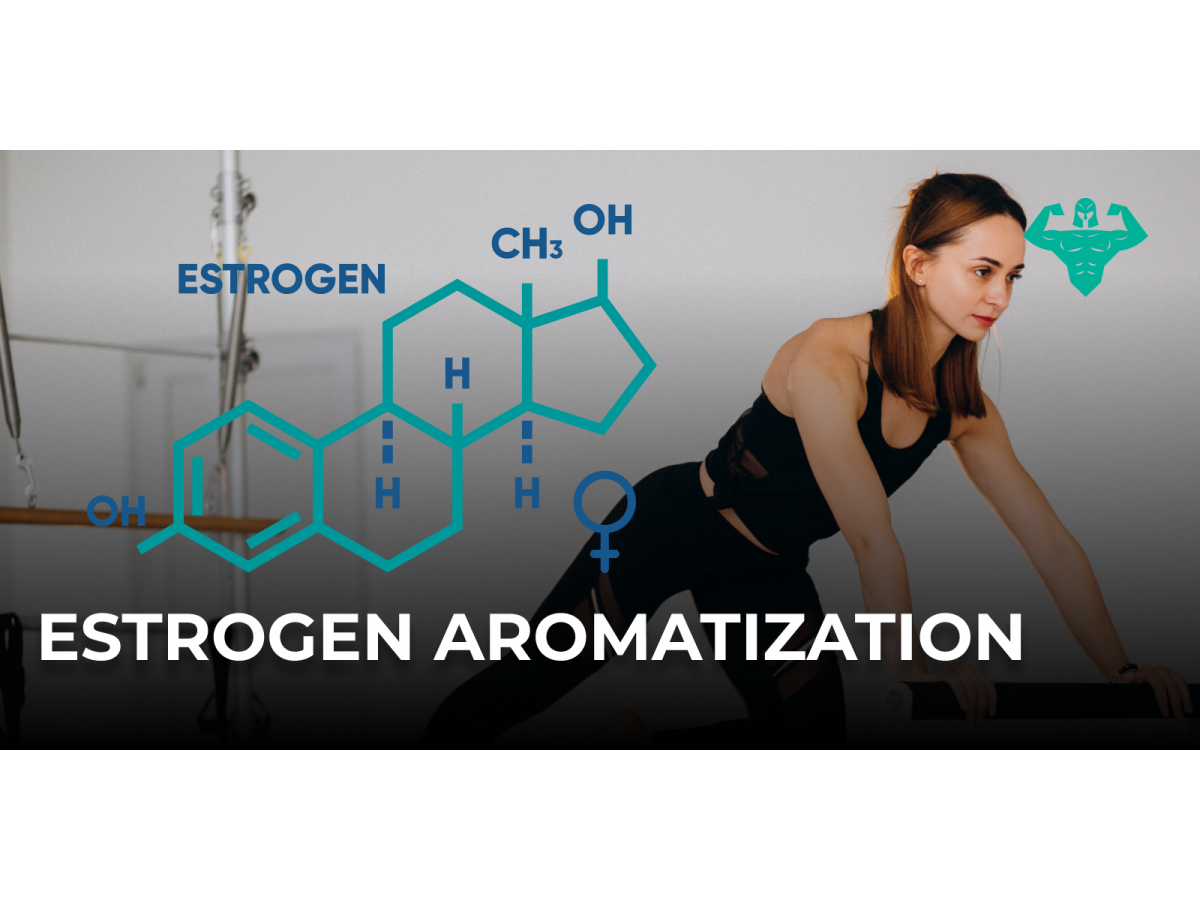
ESTROGEN AROMATIZATION
Estrogen is an essential substrate that performs estradiol synthesis. In men, the presence of this hormone is uncommon, but it resembles testosterone in its parameters. If an enzyme such as aromatase is altered, a certain amount of estrogen is produced in men. The effects of this component are noticeable in adipose tissue, nervous system, liver, skeletal muscles, gonads and more.
Estrogen levels usually do not affect the well-being of a healthy person, but can be important when considering cholesterol levels.
Excessive levels of this hormone can negatively affect some things. For example, it can lead to edema, gynecomastia, and accumulation of excess body fat. Therefore, doctors who observe such activity reduce the accumulation of estrogen, through special aromatase inhibitors (Anastrozol, Letrozol, Exemestane) and through the use of anti-estrogens (Clomid, Nolvadex). And the need for this can be felt by athletes suffering from anxiety and those who want to improve muscle quality. But estrogen has positive characteristics as well. It is accumulated for many aspects. People who have been involved in sports for a long time know how estrogen steroids help to gain muscle mass and achieve athletic goals. This hormone affects the improvement of anabolism, so athletes use it not only to increase the parameters of their figure in the muscular aspect.
The positive effect is present, thanks to the secretion of growth hormone, elimination of glucose and proliferation of androgenic cells. Estrogen directly depends on the process of anabolism, so with its help is the elimination of glucose in muscle cells. It does this by changing the amount of Glucose-6-phosphate dehydrogenase accessible, an enzyme linked directly to the use of glucose for growth and recovery of muscle building. G6PD, in turn, plays a crucial role in the Pentose kinase phosphate pathway, which is instrumental in setting the synthesis rate of cellular nucleic acids and lipids for the regeneration of tissues.
It can be seen that G6PD activity increases rapidly during regeneration after injury to skeletal musculature, thought to provide a mechanism that allows the organism to boost recovery when required. Experts stated that estrogen is linked specifically to the amount of G6PD needed to be present in cells in this recovery phase. The connection of estrogen and G6PD had been established in a research that showed an elevation in the rate of this dehydrogenase enzyme after testosterone propionate supplementation.
According to the practice, growth occurs by aromatization of the elements into each other rather than through the androgenic action of the steroid. The nonaromatic Steroids dihydrotestosterone and fluoxymesterone both were tested together with testosterone propionate, however, they failed to reproduce the benefits of testosterone. Furthermore, the favorable effect of testosterone propionate was inhibited by supplementation with the aromatase inhibitor 4-hydroxyandrostenedione (formestane), and administration of 17-beta-estradiol alone caused an increase in G6PD levels similar to that of testosterone propionate. The non-active estrogen isomer alpha-estradiol, which cannot associate with the estrogen receptor, exerted no influence.
Other tests using testosterone propionate and the antiandrogen flutamide confirmed that such a drug did not take away the good effects of testosterone, suggesting androgen receptor autonomy.
Write a comment